

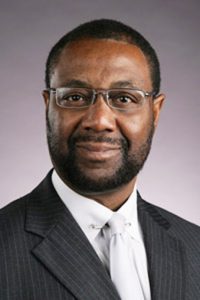
By Anthony L Bouyer, PH.D, LPCC, LICDC-S
Guest Column
It’s February, and the country is gearing up to celebrate African American history and the pioneers of the civil rights movement. There is a common misconception about when the civil rights movement began. Many historians mark its start in the early 1950s with figures like Dr. King and Malcolm X. However, Julian Bond, a social activist, politician, professor and writer, noted that the movement did not begin in Montgomery, Alabama. Instead, he argued that the struggle for civil rights has much earlier roots.
The civil rights movement began two and a half centuries ago with slave rebellions, which are a significant part of the movement and the history of the Americas, particularly in the United States. The rebellions provided foundational moments, challenging the institution of slavery and showing that the struggle for civil rights began long before the 1950s, with notable rebellions such as Gaspar Yanga’s uprising in 1570, which led a group of enslaved people to escape into the mountains of Mexico.
The Stono rebellion in 1739: The largest organized uprising by enslaved African Americans in colonial America. Tacky’s revolt in Jamaica in 1760: This uprising inspired resistance across the island. Gabriel Prosser’s plot in 1800: Inspired by the Haitian Revolution, Prosser planned a revolt that was halted by severe weather. Nat Turner’s rebellion in 1831: Nat Turner led one of the most well-known slave revolts in Virginia.
William Lloyed Garrison, an American abolitionist, journalist, and social reformer. He is best known for his widely read anti-slavery newspaper, the Liberator, which Garrison founded in 1831. He urged the oppressed black masses to await their deliverance from God in 1831.
There is one civil rights leader who provided the blueprint for the civil rights movement and has been notably left out of discussions of the movement by both White and Black scholars: David Walker and his powerful “Appeal to the Coloured Citizens of the World” in 1829.
 David Walher’s contribution to the civil rights movement is often overlooked because of his radical call for the immediate, uncompromising abolition of slavery. In his pamphlet, “Appeal to the Coloured Citizens of the World,” Walker demanded the immediate, unconditional emancipation of his enslaved brethren and the extension of equal rights to all coloured citizens.
The appeal to the coloured citizens of the world was a call to arms for enslaved individuals to rise up against their oppressors as Walker the pioneer of the phrases such as by “Any Means Necessary,” and over a 100 years later restated by Malcolm X in May 19, 1964, this bold stance did not go uncontested, it was met with outrage, and condemnation from both the white establishment and some African American leaders who feared the repercussion of his incendiary call.
Despite immense opposition, Walker’s influence endures. His appeal is now recognized as one of the most significant early documents in the history of civil and human rights in the United States. He argued that all men are born free and equal and drew powerful parallels between the American Revolution and the right of enslaved people to fight for freedom.
As we observe Black History Month 2026, I urge you to read David Walker’s “Appeal to the Coloured Citizens of the World” and draw inspiration from its powerful message to engage more actively in the continuing pursuit of justice and equality.