
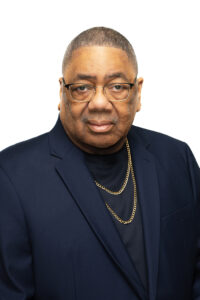
By Rev. Donald L. Perryman, Ph.D.
The Truth Contributor
It is not our differences that divide us. It is our inability to recognize, accept, and celebrate those differences. – Audre Lorde
Supporters framed the recent Supreme Court’s decision in Mahmoud v. Taylor, giving parents the legal right to remove their children from any lesson, activity or book that includes LGBTQ+ people, as “protecting parental rights.” Underneath, however, the case is about controlling who gets to belong and whose stories are erased.
Let me bring it closer to home.
While reading about the ruling, I thought about another space where belonging is often policed through cultural exclusion or identity shaming—not by the courts, but from the pews: the Black Church.
The Black Church, that storied vessel we call the Old Ship of Zion, has been our shield, our refuge, our shout, our song, and has helped us weather many a storm. But it has also, at times, been a tyrannical gatekeeper—insisting that salvation and the protocol of praise must conform to the confines of a rigid, outdated theological box. Anyone who dared to differ has been scorned, shunned, and then cast aside.
When I was a teenager in the church I was born into, my adolescent peers and I tried to incorporate drums into the worship experience. Not to disrespect tradition, but to express the rhythm of our faith in a language that made sense to us during the Civil Rights movement. We were rejected, ostracized and finally excommunicated. In our conservative Baptist congregation, drums symbolized rebellion and worldliness.
And today? Drums are almost universal in almost all denominations of the Black Church. What once was forbidden is now foundational.
This pattern of church hurt and scorn isn’t new. A few generations ago, churches wrestled over whether Mahalia Jackson’s powerful gospel voice was “too emotional” for Sunday morning, her fashions too revealing or her Spirit-filled movements were “too suggestive.” Years later, James Cleveland’s sweeping arrangements and unrestrained emotion, and then the contemporary, jazz-infused sounds of Andre Crouch and Edwin Hawkins, redefined gospel music, taking revamped hymns like O Happy Day into dance clubs and sparking fresh debates along with the formation of gospel choirs on college campuses and youth choirs across the entire country.
Today, artists like Kirk Franklin and contemporary Christian hip-hop artists have pushed those boundaries even further. In every era, the old guard gatekeepers resisted—and each time, the Spirit moved regardless.
Yet, sadly, there is another truth beneath these worship wars: a not-so-subtle class divide. Some modern Pharisaical or “respectable” churches—seeking legitimacy in a white-dominated society—looked down on the shouting, dancing, and ecstatic worship common in Holiness and Pentecostal traditions. These expressions, rooted in African heritage and the survival practices of enslaved people, are ridiculed and then dismissed as undignified by some of the modern Pharisees.
That dynamic is the same one playing out in America’s schools under the “parental rights debate” today. One group uses its convictions to force them as the standard for everyone else. Difference equals threat, so diversity is erased in favor of a single acceptable way of being.
But God has never been that small.
Theologian John E. Anderson hits the nail on the head in his take on the Tower of Babel: The scattering of people and confusion of language, asserts Anderson, is not a curse or a punishment, but is God’s course-correcting the world to be in alignment with what has always been the divine intention… “At Babel, God not only blesses and sanctions diversity—God creates it.”
Notably, at Pentecost, adds Anderson, “the Spirit didn’t undo Babel by making everyone the same. Instead, the disciples spoke in many languages, and each person heard the good news in their own tongue. The gospel spread not in spite of difference, but through it.”
That is the vision our nation and the Black Church are both called to embody.
History has shown that when disagreements harden into condemnation, we lose something sacred. We lose people and generations. We lose our joy and the ability to see God’s image in those who do not mirror us.
Yet, we can honor the old without weaponizing it against the new and embrace difference without creating division. Then we are empowered to keep what is timeless, guide without shaming, and maintain our roots without clipping our wings.
Tradition and identity should be foundations, not fences.
Contact Rev. Donald Perryman, PhD, at drdlperryman@centerofhopebaptist.org