
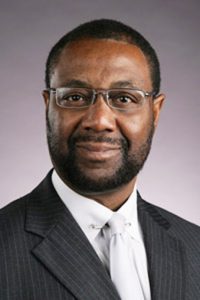
By Anthony Bouyer, PhD,
Guest Column
Black Americans have made profound contributions to the behavioral health workforce. Yet the field continues to experience a growing crisis, particularly in underserved communities. With a critical shortage of behavioral health professionals, the need for diverse representation has never been more urgent. It is essential that we prioritize the recruitment, retention, and support of Black professionals to strengthen and diversify the workforce.
Among the most underrepresented are Black men, who make up only 2-4% of the community behavioral health workforce. This gap is especially concerning as the demand for mental health services continues to rise, highlighting a national shortage of Black male therapists. So, why does this disparity persist, and what steps can be taken to bridge the gap?
Many clinicians are unprepared to address unique cultural and community dynamics, leading to care gaps. Increasing the representation of Black men in behavioral health helps address these gaps by:
- Deliver culturally competent care. Black male clinicians make Black men feel heard, seen, and respected. Culturally competent care builds trust, supports engagement, and addresses the effects of racism, discrimination, and trauma in mental health treatment.
- Achieve better treatment outcomes. More Black male clinicians in behavioral health increases access to care for Black men and their communities, ensuring fair treatment and higher success rates in therapy and other interventions.
- Reduce stigma. More Black men in behavioral health actively challenge mental health stigma. This makes it easier for Black men to seek the help they need without fear of judgment.
To address these challenges, it is essential to actively increase the recruitment and retention of African American mental health professionals, improve the visibility of African American practitioners in academic and clinical settings, and expand mentorship programs designed for African American students and trainees.
Addressing the shortage of Black men mental health professionals
The main recommendation is to establish programs introducing African American students in high school and college to mental health professions. These pipeline programs should prioritize increasing awareness, access, and interest by offering mentorship, educational resources, and early hands-on experience. By addressing systemic barriers, such as the lack of professionals from similar backgrounds, and through summer research and direct exposure to mental health research and academic medicine, these programs can foster early engagement and confidence. Such initiatives will bridge knowledge gaps, create a sense of belonging, and provide resources and mentorship crucial for long-term success. Ultimately, these programs can help reduce racial disparities in mental healthcare by improving workforce diversity and cultural competence. This leads to more accessible and relatable care for African American communities.