
 By Asia Nail
The Truth Reporter
After decades of service, Williams leaves behind a transformed YMCA rooted in access and community trust
A Building Waiting to Breathe
Before the doors open each morning at the YMCA on E. Bancroft Street, a building sits quietly. The lights hum. The floors wait. And then, little by little, people walk in—and the place comes alive.
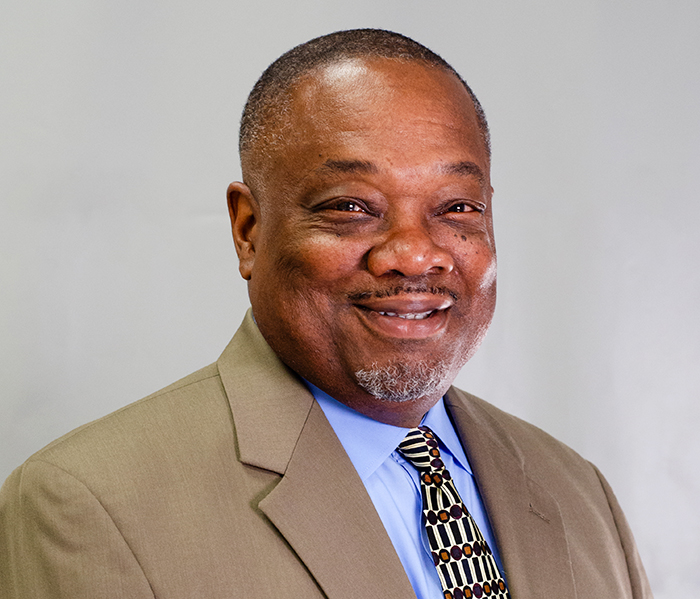
For nearly a decade, Eric Williams made sure that when people walked into the Wayman D. Palmer YMCA, they didn’t just enter a building, they felt something. Warmth. Welcome. Possibility.
Now, after 31 years with the YMCA and nearly 11 years in Toledo, Williams is stepping into retirement. But the story he leaves behind is not just about time served. It is about transformation, slow, steady and deeply human.
From Childcare to Community
The Wayman D. Palmer YMCA, located in Toledo’s historic Warren-Sherman neighborhood near the intersection of Bancroft and Franklin Streets, has long served as a deeply rooted hub for Black and multicultural life in the city.
When Williams first arrived in 2015, the building felt more like a locked toolbox than a working engine.
“It was basically a childcare center,” he remembers.
More than 160 children filled the space daily, from early morning to late at night. Outside of that, the building sat still. There were no strong partnerships. No wide range of programs. No steady flow of community life moving in and out.
It was like a big house where only one room was being used.
For many leaders, that might feel overwhelming. For Williams, it felt like a challenge worth taking on, even if he admits he didn’t fully know what he was walking into.
“If I had known everything going in,” he says with a laugh, “it might have given me pause, but I’m glad I took the opportunity.”
And then he got to work.
Listening Before Leading
Instead of rushing to change everything at once, Williams chose a different path. He stepped outside the building and into the community.
He went to meetings. A lot of meetings.
Churches. Nonprofits. Local leaders. Anyone connected to the heartbeat of the neighborhood.
“I just listened,” he says.
Like someone learning the rhythm of a new song, he paid attention before trying to lead. He wanted to understand the people before trying to serve them.
Then, he opened the doors.
He invited the community in to use the space, to gather, and to meet. Slowly, the building began to shift. It was no longer operating solely as a childcare center, but as a growing community space.
Partnerships That Brought Life Back
One of the first major partnerships came with Mercy Health, bringing programs focused on diabetes and chronic disease prevention. Then came Buckeye Health, helping connect even more resources and organizations.
What once felt empty began to fill with purpose.
But the biggest change happened on the inside.
Building a Culture of Belonging
When Williams arrived, the staff had gone two years without a steady executive leader. Over time, they had built their own way of doing things. Some of it worked. Some of it needed to change.
Williams understood that you cannot rebuild a culture overnight. It is like teaching a group of people to row in the same direction, you need patience and trust.
So he took his time.
He watched. He learned. Then he began to guide.
“I wanted our YMCA to feel like family,” he notes.
Not just friendly, but connected. A place where people felt seen, valued, and part of something bigger.
That feeling became the foundation of everything.
More Than a Building
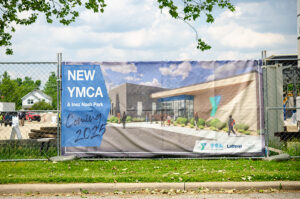
The vision for what the Wayman D. Palmer Y could become took a major step forward during Williams’ tenure in September, 2023, when the City of Toledo and the YMCA of Greater Toledo broke ground on a new facility. Community leaders, partners and residents gathered in the Warren-Sherman district to mark this milestone rooted in history and forward movement.
Originally established in 1978, the Wayman Palmer YMCA has long stood alongside Inez Nash Park as a cornerstone of community life. Under Williams’ leadership, that legacy was not only preserved but reimagined into a modern, welcoming space designed to support the health of the whole person—spirit, mind, and body. The new development includes a family-friendly pool, an 8,000-square-foot gym with NCAA-quality wood flooring, an expanded fitness center, and an outdoor splash pad. Beyond the building itself, the Y continues to grow as a hub for opportunity, offering afterschool programs, youth and adult sports, grab-and-go meals, and dedicated support for at-risk youth and families.
Today, this YMCA stands as a 50,000-square-foot community hub on E. Bancroft Street. But for Williams, the true success is not in the building, it is in what happens inside it.
It is the food pantry that helps families in need.
It is the partnerships that connect people to mental health support and health screenings.
It is the open-door mindset: no one is turned away because of money.
“We’re going to find a way to get you a membership,” Williams emphasizes.
A Mission Made Personal
That belief is rooted in his own life.
At one point, Williams found himself raising six children as a single father during a difficult chapter. He lost much, but the YMCA stood beside him.
“If it wasn’t for the Y, I don’t know,” he recalls. “They really took care of me.”
That experience shaped how he saw his role, not as a job, but as a responsibility.
The Y, to him, is like a bridge. It connects people to what they need, whether that is safety, support, or a second chance.
Lessons from the Journey
That same mindset guided his earlier work with the YMCA in Pittsburgh, where he helped lead a gang prevention program during a period of high crime. The initiative reached young people directly, building trust and offering them a different path forward.
“You have to be honest,” he adds. “And you have to keep your word.”
Those simple rules became the backbone of his leadership.
He also made it a point to invest in people. Williams worked to mentor staff at every level, making sure they had the tools to grow, not just in their jobs, but in their lives.
“A building doesn’t matter if the people inside aren’t ready to serve,” he says thoughtfully.
Thinking Bigger
He pushed others to dream bigger, too. Through efforts like the African-American Resource Network and diversity initiatives, he helped create space for more voices and more leadership.
“Don’t think small,” he always says. “Think beyond where you are.”
A trip to South Africa deepened that belief even more. There, Williams saw international YMCA programs run with very few resources, but with powerful commitment. Volunteers served for years. Children facing homelessness still showed up with joy and energy.
“It changed how I see everything,” he says.
Seeing It Through
Coming back home, he carried that perspective with him, like a reminder in his pocket. No matter how hard things got, he knew what was possible.
And things did get hard.
There were long days. Tough decisions. Moments where progress felt slow. Times when leadership meant standing firm, even when it was uncomfortable.
But Williams stayed the course.
“I committed. I was going to see it through,” he says with quiet certainty.
Leaving the Door Open
Now, as he prepares to step away, he does so with deep pride.
No big spotlight. No long goodbye tour.
Just a final day, and a building full of life.
When asked how he wants to be remembered, his answer is simple:
“As someone who was connected to the community,” he says, pausing. “Someone who wanted people to have access.”
Because in the end, that is what he built.
Not just programs. Not just partnerships.
But access.
A door left open for others to walk through.
The community extends heartfelt thanks to Eric Williams for more than three decades of service, leadership, and unwavering commitment to uplifting others. Learn more about the legacy he helped shape at the Wayman D. Palmer YMCA here.